Practising Self-Love on Valentine’s Day
 

IMG_0776-2
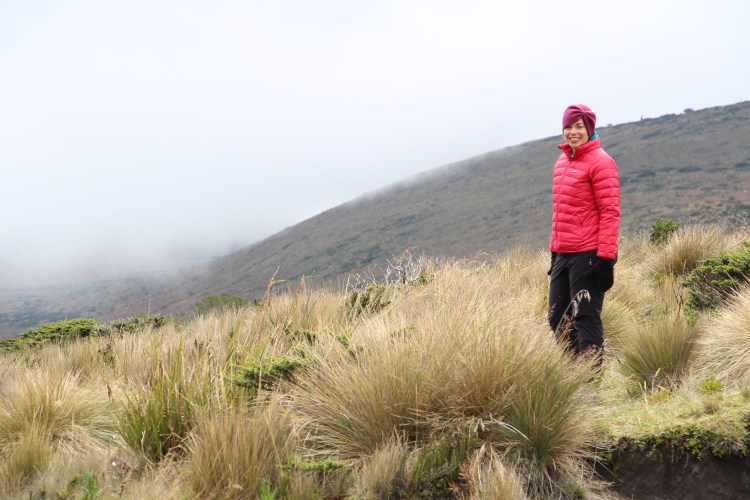
Finding my balance by connecting with nature! (On a camping trip in Los Nevados National Natural Park, Colombia) Photo credit: Jill Holmes

In light of it being Valentine’s Day in North America (in Colombia El Dia del Amor y La Amistad is celebrated in September), I thought I’d write about self-love. (After all, the longest relationship any of us will ever have is with ourselves!)

Sadly, though, we live in a world that makes it difficult to love ourselves. From a young age, we are taught that we are never enough. Beauty is purchased. Happiness is pursued. Bodies are shaped. There’s always someone smarter, fitter, faster, stronger, more beautiful than us. In my grade five class, I’ve been alarmed by the number of uber-thin girls who have told me how fat they are, and the boys who have broken down in tears after receiving 9/10 on their Math quizzes. As high-achieving ten-year-olds, they are already striving for perfection in every aspect of their lives.

But I did the same when I was their age. I was constantly complaining about how fat I was compared to the other girls in my ballet class and would wear baggy sweatshirts to hide my curvy figure. While I never developed an eating disorder, like many other dancers and female athletes, I struggled with exercise addiction until my mid-twenties (and arguably still do). I’d push my body to the point of injury and would beat myself up if I missed a day at the gym.

I’ll admit, there was a day during my undergrad when I taught three fitness classes and then played 80 minutes of rugby. I’d always opt for a Sunday morning run over Sunday morning cuddles with my boyfriend. In addition, I over-scheduled my life with clubs, activities, and leadership roles to fulfill a compulsive need to be the best at everything I did. But it wasn’t entirely my fault: “busy-ness,” over-achievement and perfectionism were glorified in the culture of my university. I even won an award at my graduation for outstanding contribution to athletics and student government. I’m sure my Dean’s List average, long list of extra-curriculars, and high-achieving résumé helped me land a grad school scholarship.

However, my extensive involvement and over-scheduled life came at a cost: time for myself. I went years without going to the doctor, was often running on little sleep, experienced several chronic injuries from over-exercise, and took some of the relationships I valued most in my life for granted. I missed a few of my good friends’ weddings. I had to skip out on Thanksgiving at the cottage (my favourite family time of the year), and wasn’t able to be there for friends who were going through hard times. Also, I never made time for creative pursuits, like writing and photography, which add joy and meaning to my life.

It took a tough and painful breakup alongside the professional heartbreak of not receiving funding for my PhD research for me to realize that the compulsive need to be busy all of the time, as well as perfectionism, come from a place of fear of not being enough as I am. I was forced to confront the fact that I’m human like everyone else, and this means accepting that I’m deeply flawed and ultimately, imperfect. But, as a good friend wisely told me, my beauty lies in my imperfection: my inability to close cupboards or doors, my awkwardness in big groups, my terrible sense of direction.

One of the hard lessons that I’ve learned from being a teacher is to practise self-love in both my personal and professional lives. This means, putting myself first and being okay with saying “no” to people who need my help.

Most of my teaching experiences have been in low-income, “at-risk” communities, like inner-city Toronto and London, and on First Nations reserves. So I’ve worked really hard in my role as a “helper”: helping students believe in themselves, helping them overcome adversity, helping them reach their potential when the odds are stacked against them. However, the amount of energy I spent in investing in others came at the expense of helping myself. Since I was on the road most weekends  coaching basketball or rugby, I struggled to make time for the people and passions that I loved. This led to frustration and burn-out. It’s no wonder that nearly half of teachers leave the profession within their first five years of teaching.

I love teaching, but I’ve learned that to thrive in the profession, as well as maintain my health and sanity, that I have to constantly practise self-love. I have to put myself before my students. As my amazing and inspiring friend and fellow teacher said, “It’s like being on an airplane. You have to put on your own oxygen mask before you put on someone else’s.” This means making time every day to exercise, prepare healthy meals, and get to bed early, no matter how much grading I have. I give myself permission to have shitty lessons every now and then. I give less assignments that I have to grade myself and have more peer and self-evaluated assessments. I continue to be involved in extra-curriculars but I don’t coach EVERY sports team or run EVERY club.

Prioritizing self-love in my professional life has also helped me in my personal life. I say “no” to social events I don’t want to go to and have stopped trying to please other people. I make time to pursue my passions like writing and travel. I’ve stopped investing in friendships that don’t make me better or add substance to my life and instead, spend the bulk of my time with the people I really care about. While I still exercise most days, I schedule time for my body to rest and recover, and I don’t beat myself up when I skip my workouts.

While I spent the bulk of this Valentine’s Day alone, I didn’t feel sad or lonely. I went for a beautiful run in the morning and shared a traditional Colombian lunch with my friend. I spent the afternoon writing in a café, practiced photography with my new camera, and then enjoyed una cerveza y sol with another friend. I felt free to do what I wanted with who I wanted because I didn’t feel the need to achieve, or please, or meet any sort of social expectations.

This Valentine’s Day, I feel lucky to have spent the day loving the person who matters most in my life: me.
 

El Sol

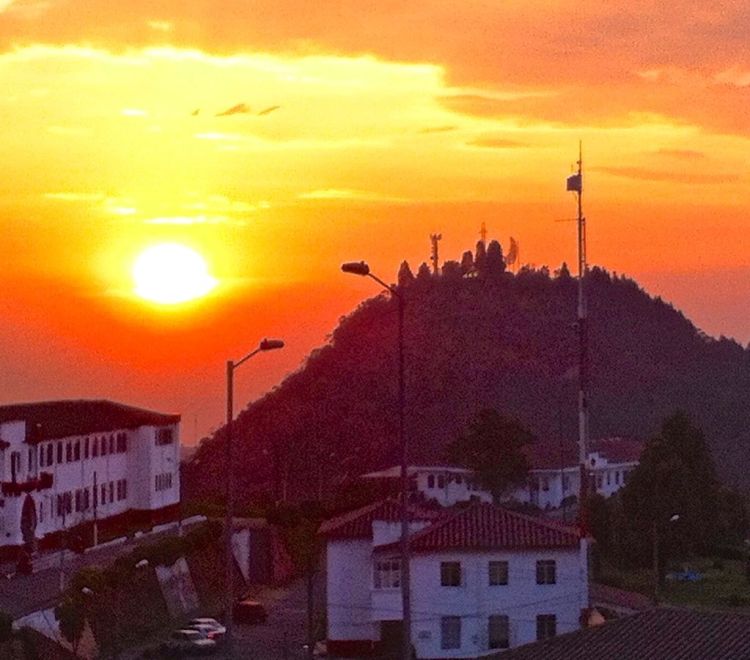
Manizales sunset
Manizales, una “fábrica de atardeceres” -Pablo Neruda

In my travels, I’ve been fortunate to have witnessed some amazing sunsets. Located five degrees north of the Equator, Manizales, Colombia, the city where I’m currently living and working, has the some of most beautiful sunsets I’ve ever seen. It’s no wonder that the Chilean writer, Pablo Neruda, described Manizales as a “fábrica de atardeceres” (sunset factory). On sunny days, at about six o’clock in the evening, the sky transforms into the most radiant blend of orange, yellow, and pink, colours that stretch the limits of my imagination, as el sol (the sun) slowly disappears behind the Andes.

cable cars
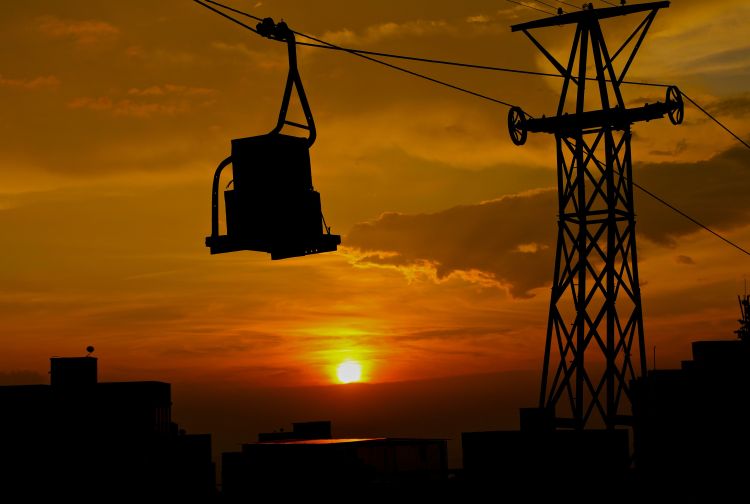
Sunset from historic cable cars in Manizales.

For me, sunsets are like a delicious piece of fruit: a juicy red mango freshly picked at my friend’s finca (farm), or a locally grown Ontario peach from a roadside stand. They remind me that life can be more colourful, more flavourful, more radiant, than I usually experience it to be. Sunsets inspire me to dream of a tomorrow that will be better than today…and encourage me to STOP what I’m doing, grab una cerveza (a beer), and enjoy the moment.

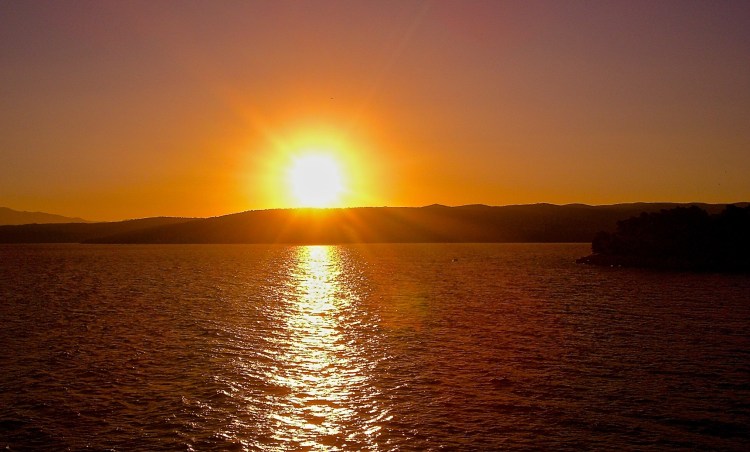
Adriatic sea
Sunset on the Adriatic Sea, off the coast of Hvar Island, Croatia.
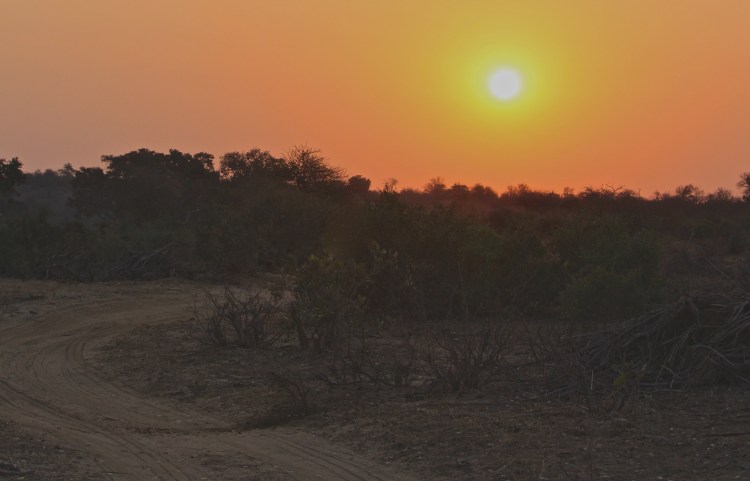
Serengeti Sunset
Kruger National Park, South Africa


sunset over arctic ocean
Sunset over the Arctic Ocean
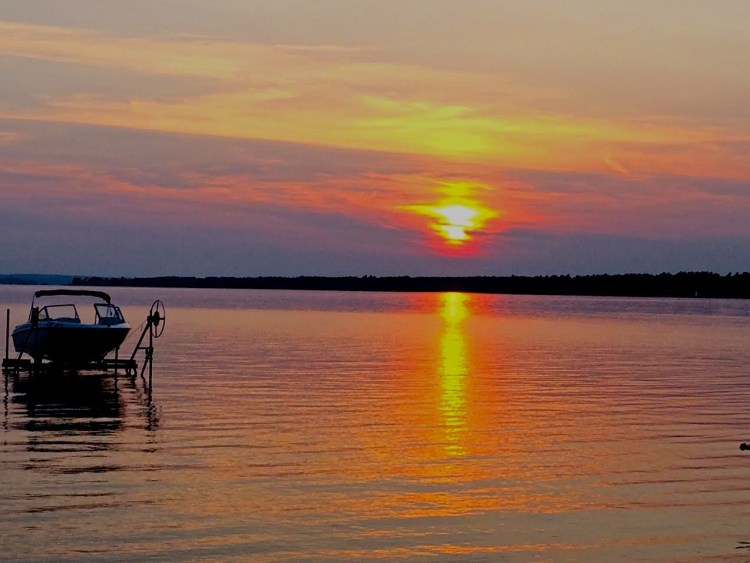
norway bay sunset
I can travel the world, but it’s hard to beat a sunset at my cottage in Norway Bay, Quebec.

As I taught my fifth grade students in Science this week, the sun is the Earth’s primary energy source. It warms the planet, drives the water cycle, and makes life on Earth possible. While sunsets calm me down and inspire me to dream BIG, it wasn’t until I lived without el sol that I learned to appreciate its full value.

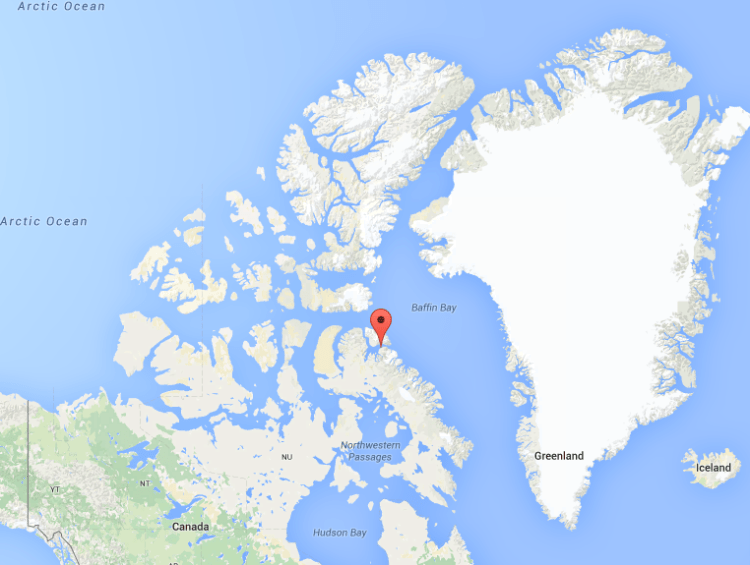
Screen Shot 2016-01-23 at 7.08.29 PM
Pond Inlet is a community of 1500 people located on the northernmost tip of Baffin Island in Nunavut, Canada

This time two years ago, while teaching in the community of Pond Inlet, Nunavut, I experienced  “the polar night,” which occurs when night lasts for more than 24 hours. When I was there, the sun set in mid-November, and didn’t rise again until early February.

This meant living in four months of darkness.

walking to church 11am
I took this photo while walking to church on a Sunday morning in December for 11:30am mass. (Mittimatalik is the Inuit name for Pond Inlet.)

It wasn’t totally dark all-day, everyday. There was a twilight period between about 11am-2pm when the sun was just below the horizon, meaning you could go for a walk, ski, or snowmobile outside without a flashlight. However, I remember being shocked when some of my students opened the outside door to get some fresh air during last period gym class (about 2:30pm) and it was so dark that I was able to point out the Big Dipper.

OLYMPUS DIGITAL CAMERA
It was important for me to get outside during the twilight hours of the dark season.
OLYMPUS DIGITAL CAMERA
My friend and I witnessed the “Return of the Sun” on a -40C ski in early February.

Without the sun, a natural energy source, I had to develop strategies for creating my own energy. I took Vitamin D pills daily, had a spin bike and a set of weights in my bedroom, tried to force myself to get outside everyday (even if all I did was take a quick walk to the Northern Store or to school), coached community basketball, and connected with friends as much as possible. I’m often described as an incredibly positive and extremely active person, but without the sun to give me energy, there were several weekends when I didn’t even leave my house.

Needless to say, I’m amazed and inspired by the Inuit and northerners for whom living in darkness is a regular part of life. Let’s just say, I’ll never have sympathy for students who complain about the cold, as my students in Pond Inlet walked to school and gladly went outside for recess on days when it was nearly -50°C with the windchill, often without proper boots, mitts, or a warm enough parka.

Leahtee
I was so pumped for the “Return of the Sun” that I did a -30 C photo shoot in my Leahtee, an awesome clothing line designed by my good friend, Leah!

Living without the sun made me reflect on the simple, yet crucial elements of life that I’ve taken for granted over the years. The fast-paced North American culture encouraged me to chase the future, look for a better relationship, check another item off my bucket-list, pursue another degree. But when you live one step ahead of your own life, you overlook the people, places, and opportunities that contribute to your ability to survive and prosper in the present.

So for now, every time I see a Manizales sunset, I’m going to make an effort to STOP, grab a beer, and ENJOY the moment. As I’ve learned the hard way: sooner or later, that moment will be gone.

And it’s always great to have an excuse for some cerveza y sol (beer and sun)!

Are you happy?

4866981971_0b3804ecd0_b
Is happiness the key to life?

Since moving to Colombia two months ago, on most days, a staff member at my school, or one of my students’ parents will approach me, greet me with kisses on both cheeks, and ask the same series of questions:

Colleague/Parent: Hola (hi), Miss Shannon. Como estas? (How are you?)

Me: Bien. (Good) [At this point, I try to avoid the standard “y tu?” (and you?) as that invites an onslaught of Spanish that I can’t understand.]

Colleague/Parent: Are you happy?

I never really know how to respond.

Happy?

Am I “happy”?

I have a good job and am trying to pursue my dreams of becoming a writer. I have amazing friends and family (even though I’m currently living on another continent from most of them, hooray for FaceTime and Skype!!!).

Surprisingly, living in Colombia has offered me a comparable if not better quality of life than I had back in Canada. I’m lucky in that I’ve never had any major health problems and have a healthy, active lifestyle filled with biking, hiking, and spending time with friends.

So, am I “happy?” I guess so…???

I’m not sure why the question makes me uncomfortable.

Maybe it’s because it’s not the cultural norm in Canada to ask anyone outright if they are happy, not even the people we are closest with, so it feels weird being expected to reveal what feels like personal information to strangers.

Maybe it’s because the North American consumer-based culture that I was brought up in has ingrained in me that happiness is an ideal to be pursued & purchased: better hair, better body, better make-up, better house, better car, better TV, better boobs, better boyfriend, etc.

Maybe it’s because I’m not sure if “being happy” is even something that I should be aspiring for.

Isn’t happiness fleeting?

I think about the people who have inspired me in my life: Athletes like Michael Jordan and Clara Hughes. Writers like Cheryl Strayed and Elizabeth Gilbert. My parents (shout out to my Mom who’s probably the only one who’ll even read this blog post- Hi Mom!). My amazing, beautiful, and talented friends.

These people have all struggled and overcome great adversity to achieve the things that have given their lives the most meaning, whether it’s winning championships, writing novels, building careers, moving overseas for the people they love, having children, or designing their dream cottage (Hi Mom! Hi Dad!).

If there’s any wisdom in the Barenaked Ladies song, Lovers In A Dangerous Time“Nothing worth having comes without some kind of fight/ Got to kick at the darkness ’til it bleeds daylight,” it seems like achieving our goals requires some kind of struggle.

And a state of struggle doesn’t necessarily equate with a state of happiness.

(Suddenly, I’m brought back to my rugby days at Queen’s University. Those Thursday night practices at West Campus in the RAIN, always in the RAIN, were miserable. Rainy October nights in Kingston, Ontario, Canada are the worst. Cold & wet. Tackling each other in the mud. I hated every minute of them. But in the end, they were worth it. They made our team stronger, as we bonded in our collective struggle. Personally, they made me tougher and more resilient in games, as I needed those miserable practices to amount to SOMETHING.)

So I’m not sure if answering, “Si. Yes. I’m happy” to concerned and caring parents and staff members necessarily means that I’m living a better or more fulfilling life.

I’m not advocating for a life of gloom and doom. In fact, I think it’s important to avoid letting myself get “stuck” in situations where the possibility for happiness is hopeless. There’s a fine line between accepting too much suffering and making a change.

At the same time, I think it’s okay not to be happy all of the time. If my rugby days taught me anything, it’s that sometimes the struggle, the pain, the fight, and the frustration, are totally worth it. These periods of potential unhappiness can result in more meaningful careers, deeper relationships, and greater life satisfaction in the long run.

But for now, when people here ask me if I’m happy, I’ll respond with “Si” (yes), or “Oui” (yes), as sometimes my terrible Spanish comes out as French.